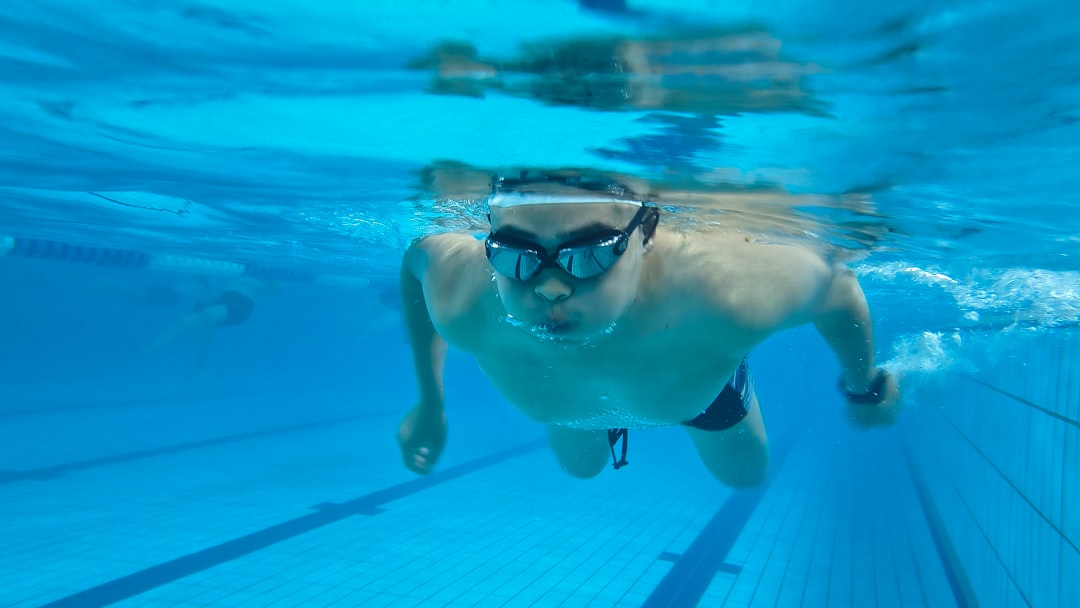
Swimming is an ideal low-impact exercise for adults over 50 in the UK, supporting cardiovascular health, muscle maintenance, and joint mobility. As bodies age, nutritional needs evolve, requiring adjustments in protein, calcium, vitamin D, and B12 intake to complement regular physical activity. This guide explains how swimming benefits fitness after 50, highlights key dietary considerations, and offers practical eating strategies to maintain strength and energy while protecting bone health.
How Your Nutritional Needs Change After 50
Nutrition after 50 refers to the specific dietary requirements that shift due to physiological changes such as reduced metabolism, altered digestion, and changes in nutrient absorption. For example, protein anabolic resistance means muscles require more protein to maintain mass. The NHS vitamins and minerals for older adults emphasise the importance of vitamin D to support bone health and immune function, especially since vitamin D synthesis decreases with age. Additionally, vitamin B12 absorption can decline due to reduced stomach acid, impacting energy and neurological function.
Age-related changes also mean that calcium needs increase to combat osteoporosis risk. These shifts require older adults to prioritise nutrient-dense foods and consider supplementation where necessary. Hydration remains key, especially during and after swimming sessions, to maintain muscle function and joint lubrication. For more on low impact exercise UK, see our guide.
The Most Important Nutrients to Prioritise After 50
Protein is critical after 50 due to muscle mass decline and slower repair processes. The British Nutrition Foundation protein for older adults recommends distributing protein intake evenly across meals to optimise muscle protein synthesis. Lean meats, dairy, legumes, and eggs available from UK supermarkets like Tesco and Sainsbury’s offer affordable protein sources.
Calcium and vitamin D are essential for bone density and fracture prevention. Vitamin D enhances calcium absorption, which is vital since bone mineral density decreases with age. Incorporating oily fish, fortified cereals, and dairy products can help meet these needs. The NHS advises daily vitamin D supplementation during autumn and winter months to compensate for low sunlight exposure.
Vitamin B12 supports nerve function and energy metabolism. Older adults may benefit from fortified foods or supplements, especially if dietary intake is low or absorption impaired. Omega-3 fatty acids also aid joint health and reduce inflammation, with sources including mackerel and flaxseeds.
If you'd rather not plan this manually, Milo generates your meals and workouts automatically.
The UK Foods That Support Strength, Bones and Energy
The three key dietary mistakes that impair strength, bone health, and energy in adults over 50 are insufficient protein intake, low calcium and vitamin D consumption, and poor vitamin B12 absorption. These gaps can lead to increased muscle loss, brittle bones, and fatigue.
Protein deficiency undermines muscle repair after exercise like swimming, heightening sarcopenia risk. Calcium and vitamin D inadequacy contributes to osteoporosis, increasing fracture risk. The NHS osteoporosis calcium and vitamin D guidance notes that 700mg of calcium daily and 10 micrograms of vitamin D are recommended for adults over 50.
Vitamin B12 deficiency often presents as tiredness and neurological symptoms, emphasising the need for fortified foods or supplements. UK supermarkets stock affordable fortified cereals and dairy alternatives rich in these nutrients. Proper nutrient intake combined with regular swimming helps maintain mobility and energy levels.
Common Nutritional Mistakes Adults Over 50 Make
Contrary to popular belief, over 50s often consume adequate calories but miss critical nutrients essential for ageing bodies. One mistake is assuming protein needs decrease; in fact, muscle anabolic resistance means protein requirements increase to around 1.0–1.2g per kg of body weight daily. Another is relying solely on sunlight for vitamin D, which is unreliable in the UK climate, especially during winter.
Skipping dairy or fortified alternatives can reduce calcium intake below the recommended 700mg daily, exacerbating bone loss. Also, some older adults fail to recognise subtle symptoms of B12 deficiency, which can affect up to 6% of adults over 60. Awareness of these issues improves nutritional status and complements the benefits of regular exercise like swimming.
Milo helps you stay consistent — no spreadsheets, no guesswork.
Your Practical Weekly Eating Guide for Over 50s
Plan meals with a focus on balanced protein distribution, aiming for 25–30g per meal to support muscle maintenance. Include calcium-rich foods like low-fat milk, cheese, or fortified plant alternatives daily. Supplement vitamin D from October to March, as recommended by NHS guidelines.
Integrate oily fish such as salmon twice weekly for omega-3s and vitamin D. Snack on nuts and seeds for additional protein and healthy fats. Monitor B12 intake by including eggs, dairy, or fortified cereals. Hydrate well around swim sessions to aid recovery. Learn more about the Milo and how it can help you get started.
Frequently Asked Questions
Is swimming a good exercise for fitness over 50 in the UK?
Yes, swimming is an excellent low-impact exercise for fitness over 50 in the UK. It supports cardiovascular health, muscle strength, and joint mobility while being gentle on arthritic joints. Its buoyancy reduces joint stress, making it suitable for adults with mobility concerns or arthritis.
What nutrients should I focus on when swimming for fitness over 50?
Key nutrients to prioritise include protein to maintain muscle mass, calcium and vitamin D to support bone health, and vitamin B12 for energy and neurological function. The NHS recommends 700mg calcium and 10 micrograms vitamin D daily after 50.
How often should adults over 50 swim for fitness in the UK?
Swimming three times per week is ideal for adults over 50 to improve cardiovascular endurance and muscle strength without overloading joints. Sessions of 30–45 minutes balance fitness benefits with recovery.
Can swimming help with arthritis symptoms over 50?
Swimming can reduce arthritis symptoms over 50 by improving joint mobility and muscle strength with minimal joint impact. Water resistance provides gentle strengthening, while buoyancy alleviates joint pressure, easing pain.
Are there UK dietary sources to support swimming fitness after 50?
Yes, UK dietary sources such as lean meats, dairy products, fortified cereals, oily fish (like mackerel), nuts, and seeds support swimming fitness after 50 by providing protein, calcium, vitamin D, and omega-3 fatty acids essential for muscle and bone health.
Get started with Milo. Start your 7-day free trial — from £7.99/month.
Disclaimer: This article is for informational purposes only and does not constitute medical, nutritional, or professional fitness advice. Always consult a qualified healthcare professional before making changes to your diet or exercise routine.
Leave a Reply