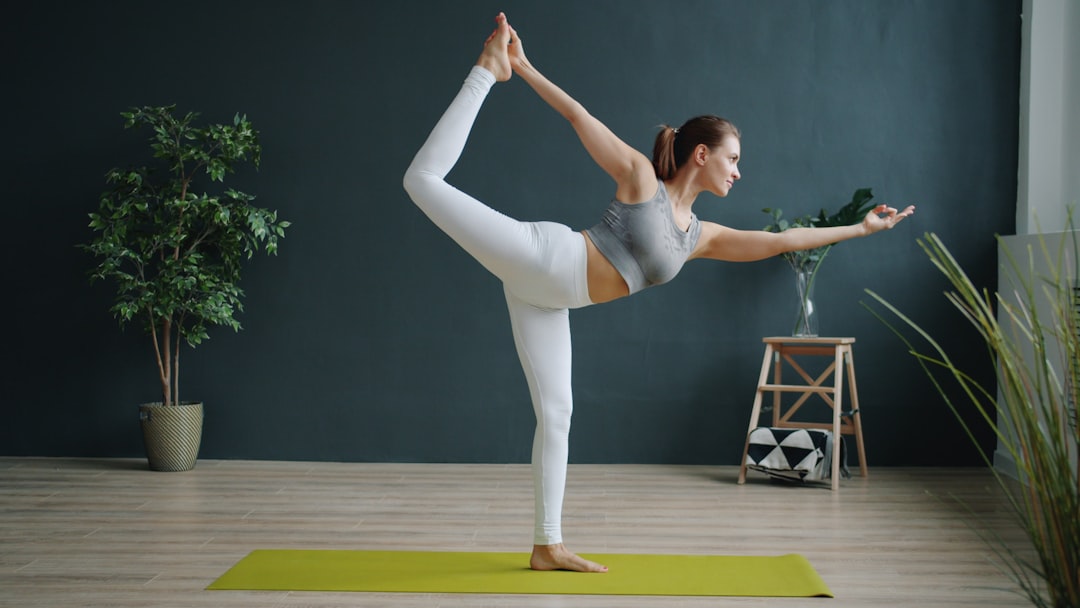
Starting yoga over 50 can improve flexibility, strength, and balance, crucial for reducing fall risk and enhancing quality of life. Low-impact yoga styles help beginners avoid injury while building confidence. Tailored programmes for over 50s focus on joint health and controlled movement, making it an accessible exercise option. Safe progression and consistency are essential to achieve lasting benefits in mobility and wellbeing. For more on low impact exercise UK, see our guide.
Why Strength Training Is the Most Important Exercise After 50
Strength training is a form of physical activity that involves working against resistance to build muscle mass and bone density. It is the most effective exercise for combating sarcopenia—the age-related loss of muscle mass—and osteoporosis, a condition causing brittle bones. The NHS highlights that strength training helps maintain bone strength and reduce fracture risk, which is essential after 50 when bone density naturally declines (NHS osteoporosis and strength training). Muscle strength supports joint stability and improves metabolic health, reducing the risk of type 2 diabetes and cardiovascular disease. While yoga improves flexibility and balance, strength training targets the underlying muscle and bone deterioration linked to ageing. Therefore, prioritising strength exercises alongside yoga yields the best health outcomes for over 50s.
How to Start Strength Training Safely Over 50
Starting strength training after 50 requires a structured approach to avoid injury and maximise benefits. The NHS physical activity guidelines for older adults recommend at least two sessions per week focusing on major muscle groups (NHS physical activity guidelines for older adults). Begin with bodyweight exercises such as chair squats, wall push-ups, and step-ups, progressing to light weights or resistance bands as confidence grows. Each session should include a warm-up, 8–12 repetitions per exercise, and rest intervals. Local community gyms and leisure centres across the UK often provide beginner-friendly classes tailored to older adults. Supermarkets like Tesco and Sainsbury’s stock affordable resistance bands and light dumbbells for home workouts. Consistency is key; starting with 15–20 minutes twice weekly and gradually increasing duration and intensity supports safe progression.
If you'd rather not plan this manually, Milo generates your meals and workouts automatically.
The Three Mistakes That Cause Injury in This Age Group
The most common mistakes that lead to injury for over 50s when exercising are poor technique, overtraining, and neglecting warm-up routines. First, improper form during strength training or yoga can strain joints and muscles, increasing injury risk. For example, locking knees during squats stresses ligaments. Second, overtraining without adequate recovery can cause muscle fatigue and increase fall risk. Older adults need longer rest periods between sessions than younger individuals. Third, skipping warm-ups reduces muscle elasticity and joint lubrication, leading to strains or sprains. These mistakes often result in setbacks that discourage ongoing exercise. Prioritising guided instruction, pacing workouts, and including gentle warm-ups mitigates these risks effectively.
What Consistent Strength Training Looks Like at 55, 60, and 65
Consistent strength training varies with age but remains crucial throughout the 50s and beyond. At 55, individuals typically focus on building foundational strength with 2–3 sessions per week using moderate resistance and 8–12 repetitions per exercise. By 60, maintaining muscle mass becomes a priority, possibly increasing session frequency or weight, while ensuring proper recovery. At 65, the emphasis shifts to preserving functional strength for daily activities and fall prevention. The NHS recommends incorporating balance and flexibility exercises alongside strength training to support joint health and mobility (NHS physical activity guidelines for older adults). Regular training at these stages reduces the rate of muscle loss by up to 30%, contributing to independence and quality of life.
Milo helps you stay consistent — no spreadsheets, no guesswork.
Your Progressive Strength Programme: Starting Where You Are
Begin with a simple, achievable strength programme tailored to your current fitness level. Start by selecting 4–6 exercises that target major muscle groups, such as seated leg raises, wall push-ups, and resistance band rows. Perform 2 sets of 8–12 repetitions, resting 60 seconds between sets. Aim to complete this routine twice weekly for the first month, then gradually increase frequency to 3 sessions weekly. Track progress by noting the number of repetitions or resistance used, increasing as strength improves. Focus on form and controlled movement to prevent injury.
Frequently Asked Questions
Is yoga safe for beginners over 50 in the UK?
Yes, yoga is safe for beginners over 50 when performed with low-impact poses and proper technique. Starting with gentle styles and focusing on controlled breathing and posture reduces injury risk. The NHS recommends incorporating flexibility and balance exercises like yoga alongside strength training to support healthy ageing.
How often should over 50s in the UK practise yoga?
Over 50s in the UK should practise yoga two to three times per week to improve flexibility and balance safely. Consistent practice supports joint health and mobility, complementing the NHS guideline of at least 150 minutes of moderate exercise weekly for older adults.
Can yoga help prevent falls in people over 50?
Yoga can help prevent falls in people over 50 by improving balance, coordination, and joint stability. The NHS highlights that balance and strength exercises significantly reduce fall risk, making yoga a beneficial low-impact option when combined with strength training.
What are the best yoga styles for over 50s beginners in the UK?
The best yoga styles for over 50s beginners in the UK are gentle and restorative forms such as Hatha, Iyengar, and chair yoga. These styles emphasise slow, controlled movements and alignment, minimising strain on joints while enhancing flexibility and balance.
Should over 50s combine yoga with other exercises?
Over 50s should combine yoga with strength training and aerobic exercise for comprehensive health benefits. The NHS recommends a mix of resistance, balance, and cardiovascular activities to maintain muscle mass, bone density, and metabolic health as people age.
Get started with Milo. Start your 7-day free trial — from £7.99/month.
Disclaimer: This article is for informational purposes only and does not constitute medical, nutritional, or professional fitness advice. Always consult a qualified healthcare professional before making changes to your diet or exercise routine.
Leave a Reply