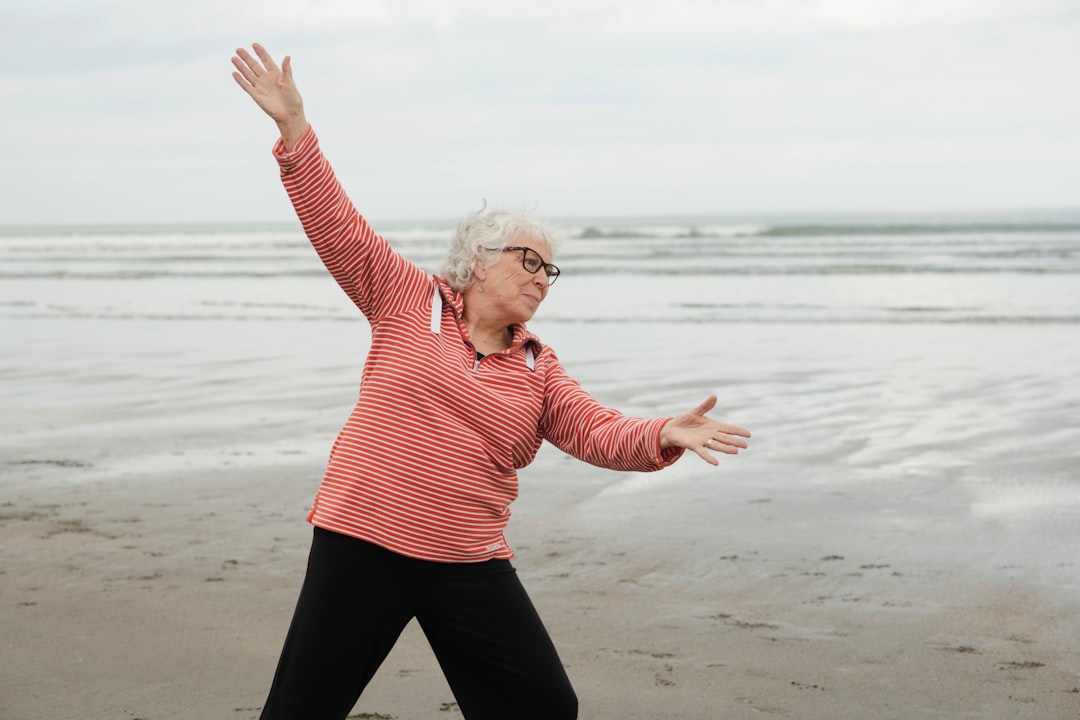
Maintaining good balance after 50 is essential to reduce falls and maintain independence. Age-related changes in muscle strength and joint function can challenge stability, but appropriate exercises can improve balance safely. This guide explains how to protect joints while enhancing stability using low-impact, adaptable workouts suited for those with pain or mobility concerns. Learn practical, medically supported strategies to regain confidence and move more securely every day. For more on fitness over 50 UK, see our guide.
Why Joint Pain Doesn't Mean You Should Stop Exercising
Joint pain is discomfort or inflammation in one or more joints, which affects 18 million people in the UK, many of whom are over 50. Contrary to common belief, avoiding exercise can worsen joint stiffness and muscle weakness, increasing fall risk. Versus Arthritis states that appropriate exercise is beneficial for joint health and can reduce pain and disability by maintaining muscle strength around affected joints, improving stability and mobility (https://www.versusarthritis.org/about-arthritis/managing-symptoms/exercise/). Low-impact activities such as swimming or cycling reduce joint strain while promoting cardiovascular fitness and muscular endurance. Regular movement also stimulates cartilage nutrition and joint fluid circulation. Medical guidelines recommend adapting intensity and range of motion to individual pain thresholds, avoiding exercises that cause sharp or prolonged pain. Consulting a health professional helps tailor routines that protect vulnerable joints while building functional strength to support balance.
The Low-Impact Exercises That Deliver Real Results
Effective balance improvement over 50 relies on low-impact exercises that strengthen muscles and enhance proprioception without stressing joints. A simple system includes three key components: static balance holds, dynamic balance movements, and strength exercises. Start with standing on one leg for 10 seconds, gradually increasing duration and repetitions. Follow with controlled heel-to-toe walking for 1–2 minutes to engage coordination. Strengthen key muscle groups like calves, thighs, and core using chair squats or seated leg raises. The NHS recommends at least 150 minutes of moderate-intensity activity weekly for older adults, including strength exercises twice weekly (https://www.nhs.uk/live-well/exercise/exercise-guidelines/physical-activity-guidelines-older-adults/). Local leisure centres and community classes often offer tailored sessions for over 50s, while supermarkets such as Tesco and Sainsbury's stock resistance bands and balance aids ideal for home use. Incorporating these steps three times a week improves stability and confidence without high impact.
If you'd rather not plan this manually, Milo generates your meals and workouts automatically.
How to Modify Any Workout to Protect Your Joints
The three most common mistakes that increase joint pain during exercise are: overloading weight too quickly, improper form, and neglecting warm-up and cool-down. Overloading weight without gradual progression can cause inflammation and exacerbate joint damage. Using incorrect form, such as locking knees or poor alignment during squats, places uneven stress on joints leading to pain or injury. Skipping warm-up reduces joint lubrication and muscle readiness, heightening strain risk. Modification strategies include reducing resistance, performing exercises seated or supported, and using controlled, slow movements to maintain joint stability. The NHS advises strength exercises performed with proper technique and gradual load increase to protect joints and enhance support (https://www.nhs.uk/live-well/exercise/strength-exercises/). Listening to pain signals and adjusting accordingly prevents flare-ups and supports consistent progress.
The Recovery Practices That Make Training Sustainable
Adequate recovery is essential to improve balance sustainably, especially over 50 when tissue repair slows. Contrary to the belief that rest means inactivity, active recovery such as gentle stretching and low-impact walking improves circulation and reduces stiffness. The NHS highlights that older adults with health conditions benefit from balanced rest and activity schedules to maintain function (https://www.nhs.uk/live-well/exercise/exercise-guidelines/physical-activity-guidelines-older-adults/). Sleep quality also influences recovery; poor sleep impairs muscle repair and increases pain sensitivity. Incorporating at least 7 hours of sleep per night supports joint health and exercise benefits. Using ice or heat therapy post-exercise can reduce inflammation and ease discomfort. Keeping hydrated and maintaining a balanced diet rich in protein and anti-inflammatory nutrients further supports recovery and joint resilience.
Milo helps you stay consistent — no spreadsheets, no guesswork.
Your Joint-Friendly Weekly Programme
Follow a structured weekly plan focusing on balance and joint protection. Begin with three sessions per week of 30 minutes incorporating balance holds, dynamic movements, and strength exercises. Start each session with a 5-minute warm-up of gentle walking or cycling, and finish with 5–10 minutes of stretching and relaxation techniques. Include at least two days dedicated to active recovery with light activity or rest. Monitor pain levels and adjust intensity accordingly. Consistent adherence over 4 to 6 weeks builds muscular support and confidence in movement.
Frequently Asked Questions
How can I improve my balance after 50 in the UK safely?
Improving balance after 50 safely involves practising low-impact balance exercises like single-leg stands and heel-to-toe walking, combined with strength training twice a week. The NHS recommends at least 150 minutes of moderate activity weekly with joint-friendly modifications to reduce fall risk and protect joints.
What are the best exercises for joint pain and balance over 50?
Best exercises include low-impact activities such as swimming, cycling, chair squats, and resistance band workouts. Versus Arthritis highlights that these improve joint health by strengthening muscles around joints, enhancing stability without causing excess pain.
How often should people over 50 do balance training in the UK?
People over 50 should aim for balance training sessions three times per week, incorporating static and dynamic exercises. Consistency over 4 to 6 weeks is shown to improve stability and reduce fall risk according to NHS guidelines.
Can modifying workouts help protect joints for those over 50?
Yes, modifying workouts by reducing weights, focusing on form, and including warm-up and cool-down phases prevents joint overload and injury. The NHS advises gradual progression and controlled movements to protect joints during exercise.
What recovery methods support balance training for over 50s?
Supporting recovery with active rest, stretching, good sleep, hydration, and nutrition is essential. The NHS recommends 7+ hours sleep to aid muscle repair, while gentle movement helps reduce stiffness and maintain joint function.
Get started with Milo. Start your 7-day free trial — from £7.99/month.
Disclaimer: This article is for informational purposes only and does not constitute medical, nutritional, or professional fitness advice. Always consult a qualified healthcare professional before making changes to your diet or exercise routine.
Leave a Reply