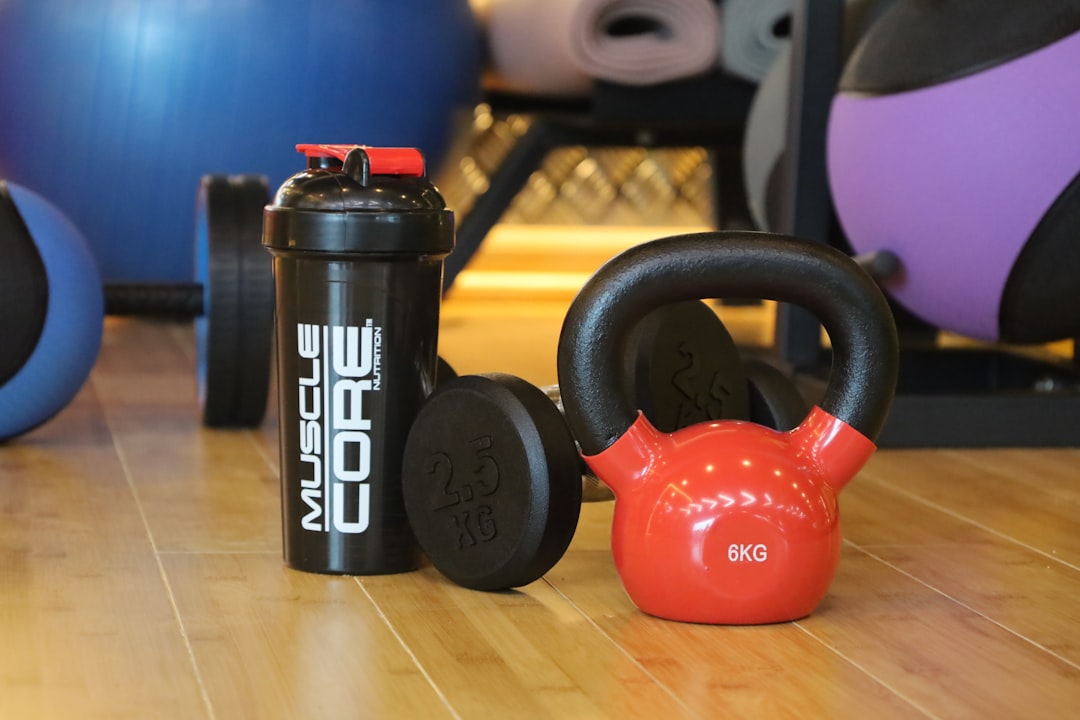
Developing a gym workout plan for those over 50 in the UK requires balancing strength improvement with joint protection. Joint pain or previous injuries often discourage exercise, yet appropriate workouts can safeguard mobility and reduce discomfort. Tailored plans focus on low-impact strength training, recovery, and modifications to suit individual needs while promoting overall health and independence. For more on strength training over 50 UK, see our guide.
Why Joint Pain Doesn't Mean You Should Stop Exercising
Joint pain is discomfort or inflammation in any joint, often caused by arthritis or injury, affecting millions in the UK. According to Versus Arthritis exercise and joint health, regular exercise strengthens the muscles surrounding joints, reducing load and pain. Stopping exercise can weaken muscles, worsening joint instability and increasing stiffness. Safe movement preserves cartilage and supports joint lubrication. For over 50s, tailored workouts can maintain function without exacerbating symptoms. Gentle strength training, range-of-motion activities, and aerobic exercise are key. Pain does not always indicate harm; understanding the difference between discomfort and injury is crucial. Exercise reduces inflammation and improves mental wellbeing, contributing to overall health and independence.
The Low-Impact Exercises That Deliver Real Results
Low-impact exercises minimise joint stress while enhancing strength and cardiovascular health. The NHS recommends activities such as swimming, cycling, and walking for older adults with joint concerns (NHS physical activity for older adults with health conditions). Strength exercises using resistance bands, light weights, or bodyweight can be performed in gyms or at home. A typical session includes 2 sets of 10–15 repetitions for major muscle groups, progressing gradually. Examples include seated leg presses, wall push-ups, and step-ups. Incorporating balance work, like single-leg stands, reduces fall risk. Consistency is vital; aim for 30 minutes, 5 days a week combining aerobic and strength work. Low-impact gym equipment such as recumbent bikes and elliptical machines are widely available in UK gyms and supermarkets often stock affordable resistance bands for home use.
If you'd rather not plan this manually, Milo generates your meals and workouts automatically.
How to Modify Any Workout to Protect Your Joints
The three common mistakes that increase joint stress during workouts are: 1) Ignoring pain signals, which can lead to injury flare-ups; 2) Using improper technique, causing undue load on joints; 3) Overtraining without adequate rest, resulting in inflammation and fatigue. Modifications include reducing range of motion, using lighter weights, and choosing seated or supported positions. Switching high-impact moves like running for cycling or swimming lowers joint impact. Adjusting tempo to slow, controlled movements improves muscle engagement without shock. Wearing supportive footwear and warming up thoroughly also protect joints. Listening to your body and consulting healthcare providers ensures safe progression.
The Recovery Practices That Make Training Sustainable
Recovery is essential for joint health and muscle repair, especially over 50. Contrary to common belief, adequate rest prevents long-term damage and supports strength gains. The NHS highlights that poor sleep negatively affects recovery, immune function, and pain perception (NHS sleep and recovery over 50). Post-exercise stretching and low-intensity activities like yoga promote flexibility and circulation. Applying ice or heat can reduce inflammation. Active recovery days with walking or gentle swimming maintain movement without strain. Tracking soreness and adjusting intensity helps avoid overuse injuries. Prioritising sleep and hydration further supports joint and muscle health.
Milo helps you stay consistent — no spreadsheets, no guesswork.
Your Joint-Friendly Weekly Programme
Follow a weekly programme that includes two strength sessions and three aerobic or flexibility sessions. Start Monday with strength exercises using resistance bands or light weights, focusing on legs, arms, and core. Wednesday and Friday repeat strength work with slight progression. Tuesday and Thursday can be brisk walking or cycling for 30 minutes. Saturday includes a flexibility and balance routine lasting 20 minutes. Sunday is rest or gentle stretching. Each session begins with a 5–10 minute warm-up and ends with cooldown stretches. Adjust intensity based on pain levels, never pushing through sharp discomfort.
Frequently Asked Questions
What is the best gym workout plan for over 50s in the UK?
The best gym workout plan for over 50s in the UK combines low-impact aerobic exercise with strength training twice weekly, as recommended by the NHS. Focus on exercises that improve muscle strength, balance, and joint mobility while avoiding high-impact movements to protect joints.
Can strength training help joint pain for people over 50?
Yes, strength training helps reduce joint pain by strengthening muscles that support joints. According to Versus Arthritis, regular exercise improves joint function and reduces stiffness in people over 50 when performed with appropriate modifications.
How often should over 50s exercise to maintain joint health?
Over 50s should aim for at least 150 minutes of moderate aerobic activity per week plus strength exercises on two or more days, following NHS guidelines. Consistency helps maintain joint flexibility and muscle strength, reducing pain and improving mobility.
What are safe low-impact exercises for over 50s with joint issues?
Safe low-impact exercises include swimming, cycling, walking, resistance band workouts, and seated strength exercises. These minimise joint stress while enhancing cardiovascular fitness and muscle strength, supporting joint health as advised by the NHS.
How can I modify gym workouts to protect my joints after 50?
Modifications include reducing exercise range of motion, lowering weights, slowing movement tempo, choosing seated or supported positions, and avoiding high-impact activities. Listening to pain signals and allowing rest days prevents joint overload and injury.
Get started with Milo. Start your 7-day free trial — from £7.99/month.
Disclaimer: This article is for informational purposes only and does not constitute medical, nutritional, or professional fitness advice. Always consult a qualified healthcare professional before making changes to your diet or exercise routine.
Leave a Reply